
Dogs are intriguing creatures that often express themselves in ways we may not fully understand. By learning about canine body language, vocalizations, and tendencies, we can strengthen deeper connections with our furry friends. A wagging tail doesn't always suggest happiness, while a lowered head might signal fear. Understanding these subtle cues can help us grasp what our dogs are truly trying to convey.
- Flicking tails: Can indicate excitement, playfulness, or even a warning signal depending on the speed and direction of the wag.
- Elevated ears: Often indicate interest or alertness.
- Showing the whites of their eyes: Can be a sign of stress, anxiety, or fear.
Unlocking Good Behavior: Practical Training Techniques for Dogs
Teaching your canine companion good behavior can be enjoyable and strengthen the bond you share. Operant conditioning methods are most effective, focusing on rewarding desired actions instead of punishing undesirable ones. Start with basic commands like "sit", "stay", and "come", using simple verbal cues and hand signals. Keep training sessions short, interactive, and end on a positive note. Patience is key – dogs learn best through repetition and clear expectations.
A well-trained dog is a happy dog, enjoying both your company and the world around them!
Banish Bad Habits: Effective Solutions for Common Dog Problems
Tired of your furry friend gnawing on everything in sight? Is your pup a master at howling at every passerby? We've all been there. Dogs can sometimes develop undesirable habits that test our patience and leave us feeling frustrated. But don't worry, it's not a lost cause! With some dedicated effort and the right approach, you can help your dog shed those bad habits and become a well-behaved friend.
Here are several proven strategies to get you started:
* **Positive Reinforcement:** Reward your dog for good behavior with treats, praise, or playtime. This will help them understand that desirable actions lead to positive outcomes.
* **Redirection:** When your dog starts exhibiting a bad habit, distract them with a treat.
* **Consistency is Key:** Be patient and stick to your training plan. Dogs thrive on routine and predictability.
Remember, every dog is different, so what works for one may not work for another. Test various techniques and find what suits for your furry fix common dog behavior problems friend. With love, patience, and a little effort, you can help your dog evolve into the best version of themselves.
Tailoring Training
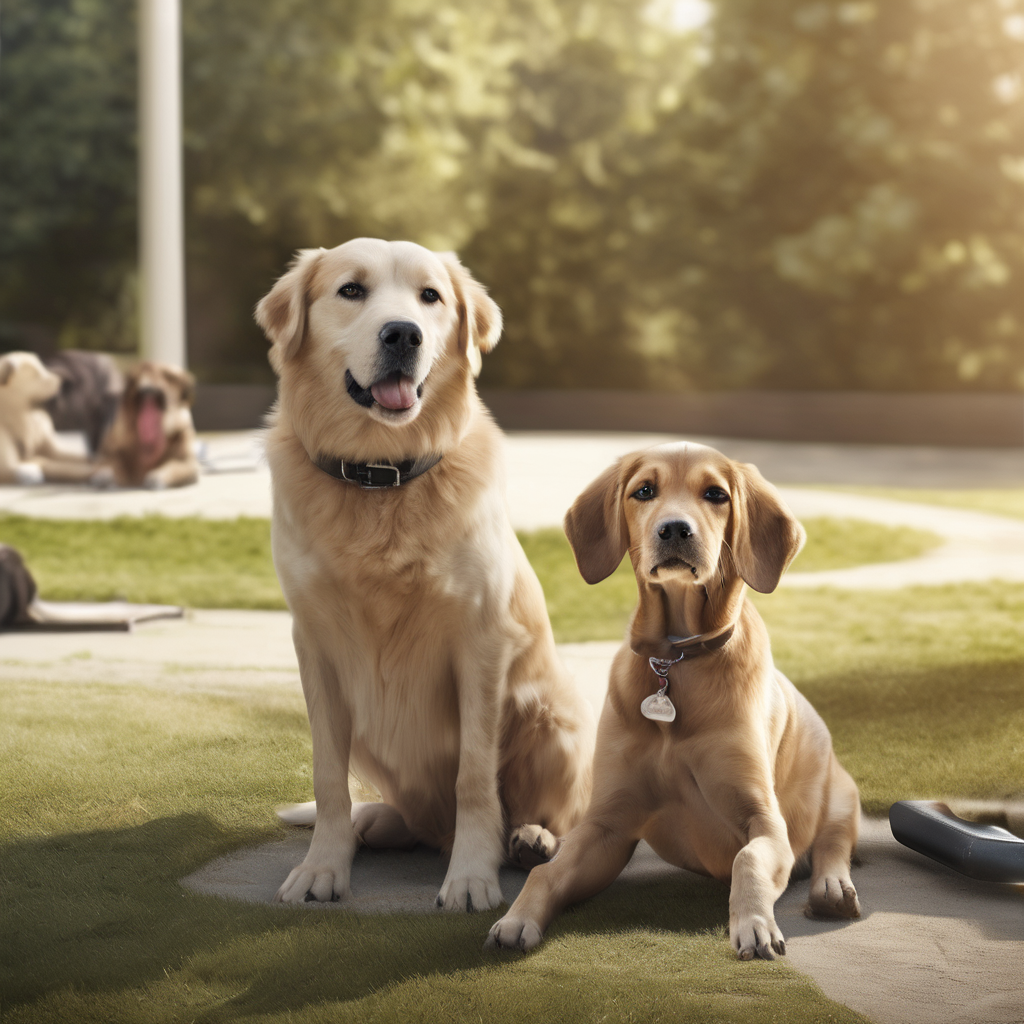
Every canine companion stands out, and their behavioral goals reflect this. A standard training approach simply won't work. That's where the power of a customized behavior plan comes in. This plan takes into account your dog's temperament, developmental stage, and behavioral patterns. By targeting these characteristics, trainers can develop a program that promotes success.
- Advantages of Tailored Training:
- Enhanced understanding of your dog's needs.
- Faster learning and progress.
- A happier, more well-adjusted canine companion.
The Science of Sit & Stay| Proven Methods for Shaping Desired Behaviors
Unlocking the secrets of canine communication can be a fascinating and rewarding journey. By understanding dog behavior, trainers and owners alike can effectively shape desired behaviors like "sit" and "stay." These fundamental commands serve as building blocks for more advanced training, fostering a stronger bond between humans and their furry companions.
- Positive reinforcement has proven to be the most effective approach in shaping canine behavior. Giving treats or praise when a dog executes a desired action, trainers can motivate them to repeat the behavior.
- Consistency is key to successful training. Dogs thrive on routine and clear expectations. Regularly practicing commands in a calm and structured environment helps dogs grasp what is expected of them.
- Persistence is essential when working with dogs. Learning takes time and every dog progresses at its own pace. Minimizing punishment and focusing on positive encouragement creates a safe and trusting learning environment.
Transforming from Growling to Nipping: A Step-by-Step Approach to Canine Behavior Modification
Understanding your dog's whining is the first step towards resolving any aggression. While some dog vocalizations are simply a way of sharing their feelings, persistent vocalization can often signal underlying concerns. This step-by-step guide will assist you in recognizing the basis of your dog's actions and implementing effective training techniques.
A common reason for dog aggression is fear. If your dog responds with growling when encountered by other dogs or unfamiliar people, it's crucial to handle their stress through positive reinforcement training and gradual interaction.
Praising your dog for relaxed behavior around stimuli can help them grasp that there is no need to react. Remember, patience and consistency are essential when modifying any unwanted behavior in your dog.